Introduction
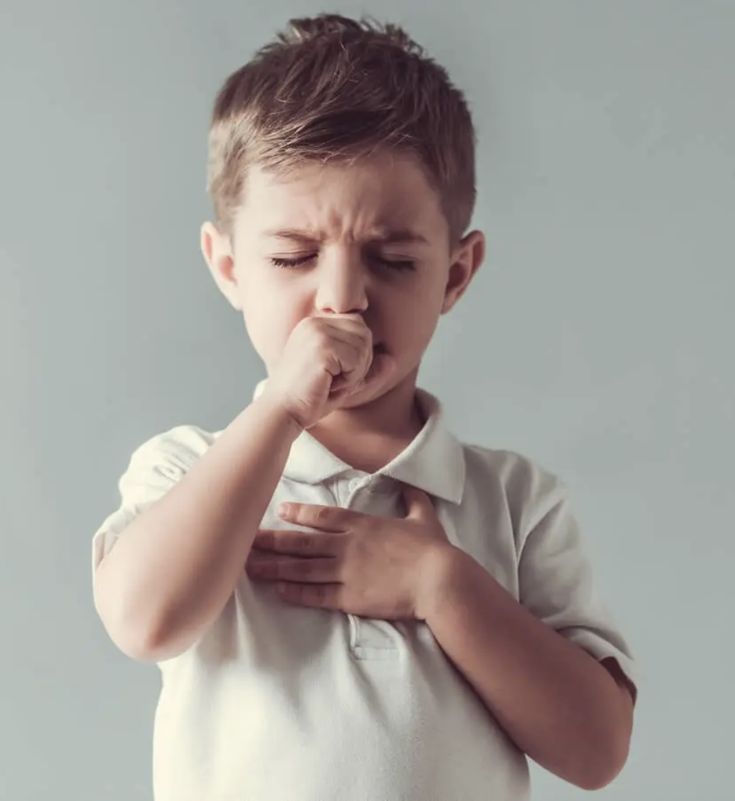
"Doctor, my child gets a cold every month and the cough never fully goes away."
I hear this from worried parents almost every week. Many of these children have asthma that has not been diagnosed. The good news is that once asthma is identified and treated properly, most children live completely normal, active lives.
How Common Is Asthma in Indian Children?
More common than most parents think. A review of 33 Indian studies covering over 1.6 lakh children found that about 7.9% of Indian children have asthma1, which is roughly 1 in every 12 to 13 children. It was more common in boys and in urban areas.
Pollution is a big factor. A study of schoolchildren in Bangalore found asthma in about 19% of children whose schools were in heavy-traffic areas, compared with about 11% in low-traffic areas2.
What Is Asthma? A Simple Explanation
Think of the breathing tubes in the lungs as small pipes. In asthma, these pipes are sensitive. When they meet a trigger, like dust, smoke or a cold virus, they:
1. Swell up from inside 2. Produce extra mucus 3. Tighten their muscles
The pipe becomes narrow, and air struggles to pass. This causes the whistling sound we call wheezing.
8 Signs Your Child May Have Asthma
1. Cough that gets worse at night or early morning 2. Wheezing, a whistling sound while breathing out 3. Breathlessness or tiring quickly while playing 4. Cough after running, laughing or crying 5. "Colds" that always go to the chest and last more than 10 days 6. Chest tightness, which children may describe as "stomach pain" or "chest is paining" 7. Frequent nebulisation needed for every cold 8. Family history of asthma, allergies, eczema or a runny nose with sneezing
If your child has two or more of these, please see a doctor.
Common Asthma Triggers in Chennai Homes
- Dust mites in pillows, mattresses and soft toys
- Mosquito coil and incense smoke
- Tobacco smoke from a family member
- Cockroaches
- Mould on damp walls
- Pet hair
- Cold drinks and ice cream (in some children)
- Viral infections during the monsoon
- Pollution, firecrackers and Bhogi smoke
Myths and Facts About Inhalers
Myth: "Inhalers are addictive." Fact: Inhalers are not addictive. They are simply a way to deliver medicine directly to the lungs.
Myth: "Inhalers are the last stage of treatment." Fact: Inhalers are the first and best treatment for asthma all over the world, for children and adults.
Myth: "Syrups and tablets are safer than inhalers." Fact: Inhalers deliver a tiny dose straight to the lungs. Tablets and syrups send medicine through the whole body, often at much higher doses. Inhalers are usually the safer choice.
Myth: "Steroid inhalers will stunt my child's growth." Fact: The dose of steroid in inhalers is very small. Uncontrolled asthma itself can affect a child's growth, sleep and school performance. Your doctor will use the lowest dose that keeps asthma under control.
Myth: "My child will outgrow asthma, so no need for treatment." Fact: Some children do improve as they grow. But untreated asthma can cause permanent changes in the airways. Treat it now.
How Is Asthma Diagnosed in Children?
- A detailed history and examination
- • Spirometry (a simple blowing test) for children usually above 5–6 years
- Sometimes allergy tests or a chest X-ray
- Response to treatment
Living Well with Asthma
- Use a spacer with inhalers. For young children, a spacer with a face mask works best.
- Follow a written asthma action plan from your doctor.
- Inform the school teacher and keep a reliever inhaler in the school bag.
- Encourage sports. Swimming and running are fine once asthma is controlled.
- Keep up with vaccinations, including the yearly flu vaccine, as advised by your doctor.
When to Rush to the Hospital
- The child is struggling to breathe or cannot speak full sentences
- The skin between the ribs pulls in with each breath
- Lips or nails look bluish
- The reliever inhaler is not helping or is needed every few hours
- The child is unusually sleepy or confused
Frequently Asked Questions
Q1.At what age can asthma start?
Asthma can start at any age, but most children show signs before the age of 5.
Q2.Can my child play sports if they have asthma?
Yes. Many top athletes have asthma. With good control, your child should be able to play freely.
Q3.Is a nebuliser better than an inhaler with a spacer?
For most attacks, an inhaler with a spacer works just as well as a nebuliser, and it is quicker and easier to carry.
KEY TAKEAWAY
The Bottom Line
Asthma is common, treatable and nothing to feel ashamed about. If your child coughs at night, wheezes or gets breathless while playing, please do not wait. The right diagnosis and the right inhaler can give your child back their sleep, their school days and their playtime.
Sources & references
- About 7.9% of Indian children have asthma pmc.ncbi.nlm.nih.gov/articles/PMC9390309/
- About 19% of children whose schools were in heavy-traffic areas, compared with about 11% in low-traffic areas pmc.ncbi.nlm.nih.gov/articles/PMC7090687/

ABOUT THE AUTHOR
Dr. Koushik Muthu Raja Mathivanan, M.D.
Dr. Koushik Muthu Raja Mathivanan is a Consultant Pulmonologist in Chennai.
This article is for general awareness and does not replace a consultation with your doctor.
Have a concern about your breathing?
Online articles can support awareness, but they cannot replace an individual medical assessment.