Medical emergency? Call 108 or go to your nearest emergency department.

Dr. Koushik Muthu Raja Mathivanan Pulmonary Medicine

Advanced Pulmonary Care. Academic Excellence. A Patient-First Approach.

Dr. Koushik Muthu Raja Mathivanan, M.D

Trained by Masters. In India and Abroad.

Great procedures are not learned from books. They are learned at the side of the best, case after case. Dr. Koushik trained under leading experts in India, Europe and the USA so that his patients get care of a world standard, right here in Chennai.

4,000+ Pleural procedures
4Specialist training programmes
3Countries: India, Austria and the USA
4,000+Pleural procedures
3,000+Bronchoscopies
500+Thoracoscopies
300+EBUS procedures
200+Complex airway procedures

NATIONAL TRAINING

01 · NATIONAL TRAINING

Pleural Procedures & Thoracoscopy

The pleura is the thin lining around the lungs. Fluid, air or infection there can make breathing hard and painful.

Dr. Koushik trained in:

  • Thoracoscopy and rigid thoracoscopy: looking inside the chest through a tiny cut to find the cause and treat it in the same sitting.
  • Complex pleural procedures for difficult and repeated fluid build-up.
  • Minimal access techniques: smaller cuts, less pain and faster recovery.

What it means for you: many chest problems that once needed major surgery can now be diagnosed and treated through a small opening, often with a short hospital stay.
02 · NATIONAL TRAINING

Complex Airway Interventions

When the main breathing tubes are blocked by a tumour, scar or growth, every breath becomes a struggle. Dr. Koushik trained in advanced procedures to find and clear these blockages.

Specialist procedures

  • EBUS (Endobronchial Ultrasound): an ultrasound-equipped camera to sample areas deep inside the chest without surgery.
  • Rigid bronchoscopy: a firm tube to open and treat badly blocked airways.
  • Central airway obstruction treatment: clearing the main airways so patients can breathe more freely.
  • Cryotherapy: using extreme cold to remove blockages and take larger, better samples.

What it means for you: more accurate diagnosis of lung cancer and other diseases, and relief when an airway is blocked, often without open surgery.

INTERNATIONAL TRAINING

03 · INTERNATIONAL TRAINING

Lung Transplant Fellowship

Vienna is home to one of the largest lung transplant centres in the world, performing around 110 lung transplants every year. It is known for taking on the hardest cases, including re-transplants, where a patient receives a second, or even a third, set of lungs. Patients there live, on average, around 8 years after transplant, among the best results anywhere.

Dr. Koushik learned the full journey of transplant care, from choosing the right patient and preparing them, through to the operation and long-term follow-up.

04 · INTERNATIONAL TRAINING

Lung Transplant Critical Care Observership

The first days after a lung transplant are the most critical. At Northwestern, Dr. Koushik trained in:

  • Managing complex intensive care situations after lung transplant.
  • ECMO: a machine that takes over the work of the lungs (and sometimes the heart) while the body heals, a lifeline for the sickest patients.

What it means for you: patients with advanced lung disease have a doctor who understands transplant care from start to finish and can guide them and their families at every step.

Trained across three countries. Committed to one goal: world-class lung care, close to home.

Dr. Koushik Muthu Raja Mathivanan, M.D

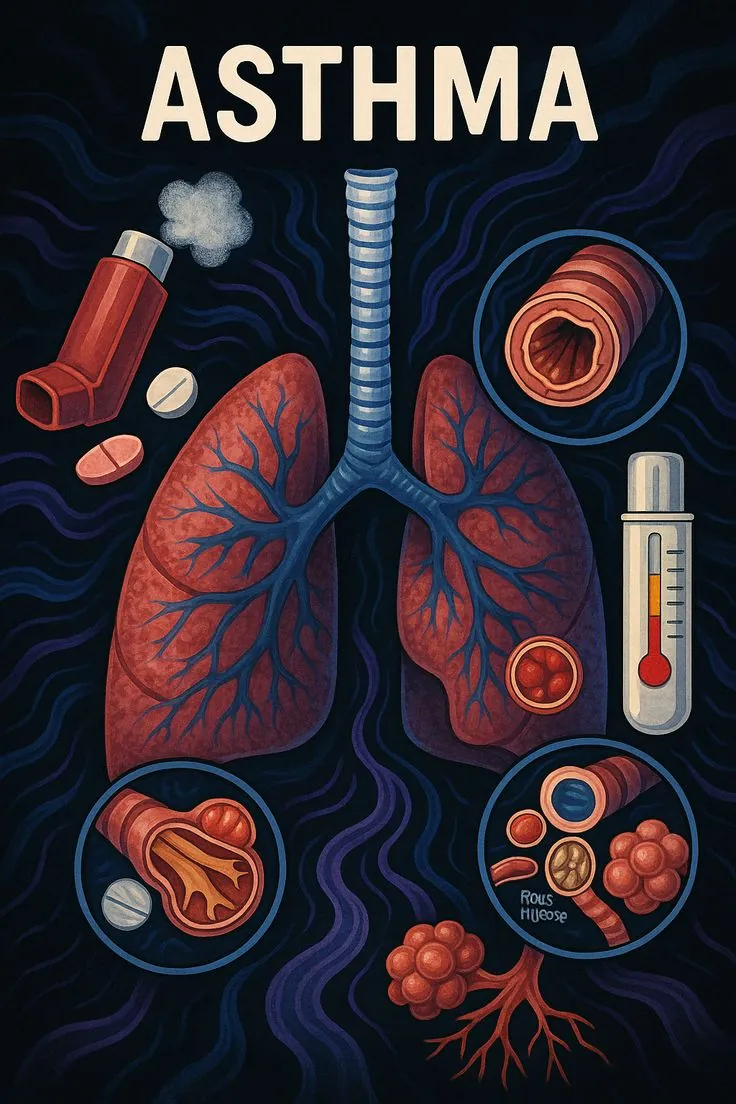
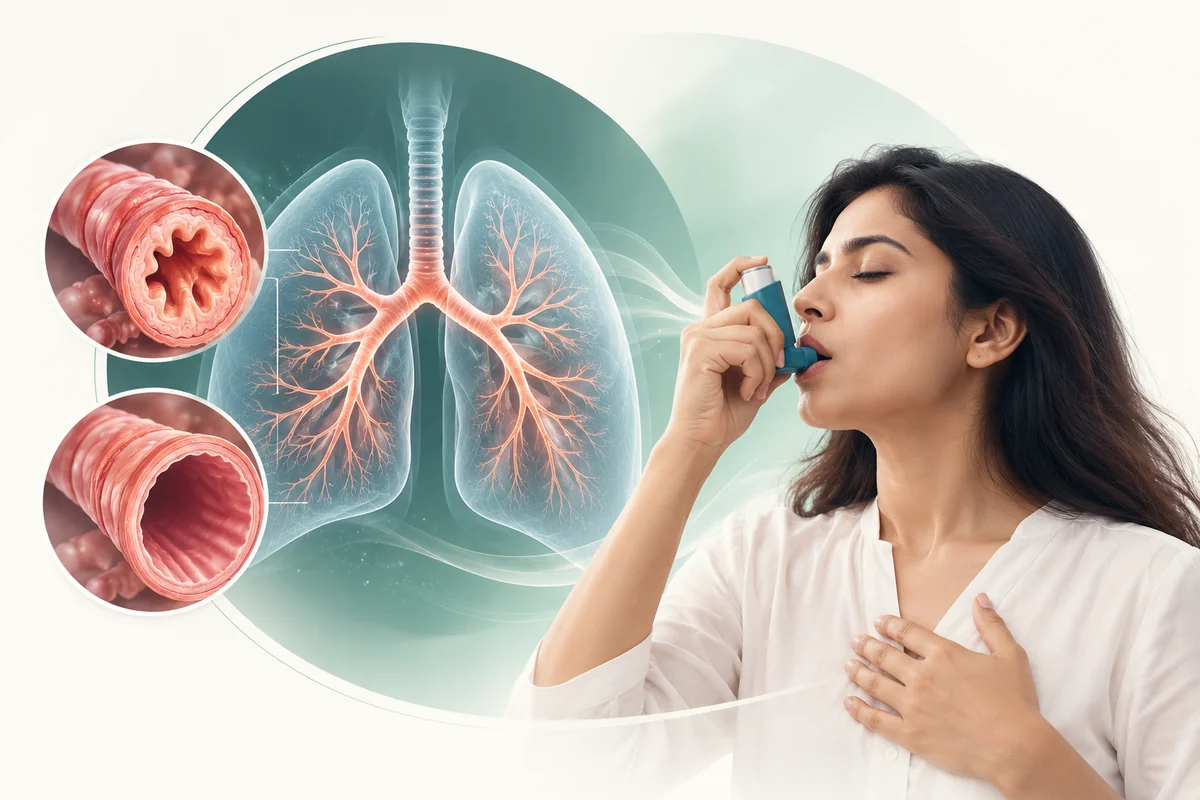
Woman using an inhaler beside an illustration of inflamed airways in severe asthma
01

Severe Asthma

Most people control asthma with an inhaler. But for some, symptoms keep returning despite regular treatment, with night waking, frequent…

How I manage

Most people control asthma with an inhaler. But for some, symptoms keep returning despite regular treatment, with night waking, frequent attacks, and repeated steroid courses. This is severe asthma, and it needs a closer look.

How I use tests for precision medicine and personalised protocols

  • Spirometry (breathing test): You breathe out as hard and fast as you can into a small tube. It shows how narrow your airways are and how well they open with medicine.
  • FeNO (airway inflammation test): You breathe out gently into a handheld device that measures a gas in your breath. A high level shows allergy-type swelling in your airways, which helps me choose and adjust your steroid inhaler dose.
  • FOT (gentle breathing test): The Forced Oscillation Technique needs no forceful blowing. You breathe normally for a minute while the device sends gentle pressure waves into your airways. It checks the smallest airways, where problems often hide when spirometry looks normal.
  • Allergy skin prick test: Tiny drops of common allergens, such as dust mites, pollen, moulds, and pet dander, are placed on the forearm, and the skin is lightly pricked. A small raised itchy bump within 15 to 20 minutes shows you are sensitive to that allergen, so we can find your personal triggers and plan how to avoid them. Please stop antihistamine tablets a few days before; I will tell you exactly how many.

Together, these results help me decide whether you need a stronger inhaler plan, trigger avoidance, or advanced options such as targeted injections (biologics) that calm the root cause of the swelling, so you can live with fewer attacks and less steroid use.

When to see me you need your reliever inhaler more than twice a week, wake at night with symptoms, or have needed steroid tablets twice or more in a year.

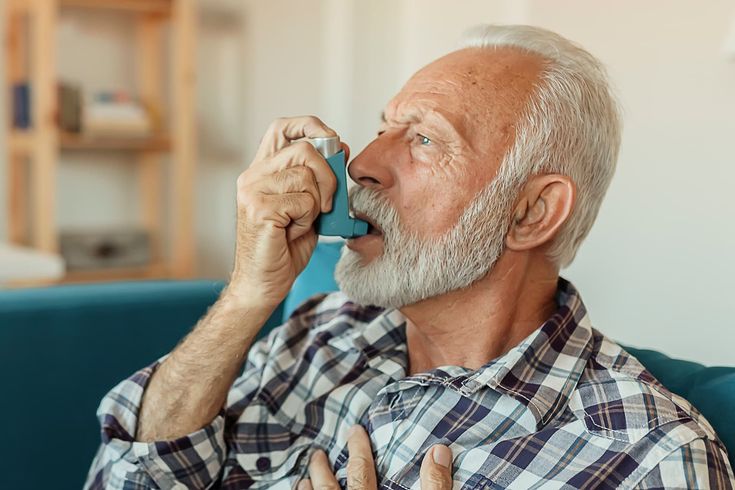
Older man using an inhaler for COPD at home
02

COPD

COPD is a long-term lung condition, most often linked to smoking or air pollution, that makes breathing harder over time. It cannot be cured,…

How I manage

COPD is a long-term lung condition, most often linked to smoking or air pollution, that makes breathing harder over time. It cannot be cured, but a lot can be done.

How I use tests for precision medicine and personalised protocols

  • Spirometry (breathing test) confirms the diagnosis, shows how severe it is, and tracks changes year to year.
  • FOT (gentle breathing test) detects small-airway damage early and suits patients who find forceful blowing tiring.
  • FeNO and allergy skin prick test help me spot people who have asthma along with COPD, who often respond best to a different inhaler combination.

My care also includes the right inhaler plan, vaccines, oxygen assessment, breathing exercises, and a clear plan for what to do when symptoms flare up. For people who remain very breathless, I assess for advanced options to reduce trapped air in the lungs.

When to see me you have a long-standing cough, get breathless on routine tasks, or have had flare-ups needing a doctor or hospital stay.

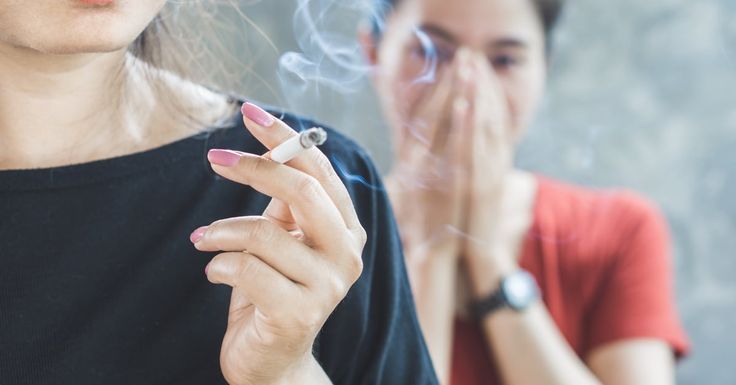
Hand holding a lit cigarette while a person nearby covers their nose from the smoke
03

Smoking Cessation

Quitting is hard because nicotine is truly addictive, and it is not a failure of willpower. I offer a personal quit plan that combines…

How I manage

Quitting is hard because nicotine is truly addictive, and it is not a failure of willpower. I offer a personal quit plan that combines medicines, nicotine replacement, and support to handle cravings and habits.

We set a quit date together and follow up regularly. Many patients who tried and failed before succeed with the right support. It is never too late to benefit.

When to see me you have tried to quit before and gone back, or if you want a medically supported plan from day one.

04

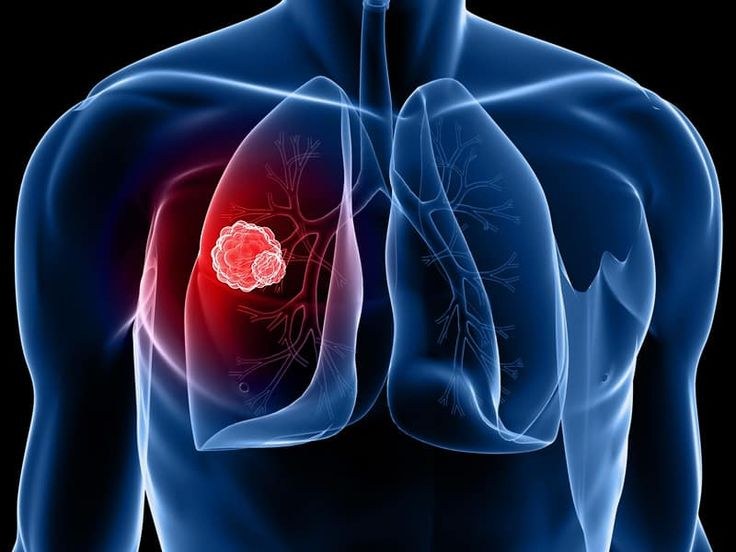
Lung Cancer Screening

Lung cancer is easiest to treat when found early, often before any symptoms appear. A low-dose CT scan uses a small amount of radiation to…

How I manage

Lung cancer is easiest to treat when found early, often before any symptoms appear. A low-dose CT scan uses a small amount of radiation to check the lungs of people at higher risk, such as long-term smokers or former smokers in the right age group.

If a small spot is found, I guide you on whether it needs watching, further tests, or a biopsy, so you are neither over-treated nor left worrying.

If a spot or lump needs a closer look, I perform bronchoscopy and other minimally invasive procedures as needed, such as EBUS and radial EBUS, to take samples safely and plan the right treatment.

When to see me you are 50 or older and have smoked heavily, or if you quit within the last 15 years.

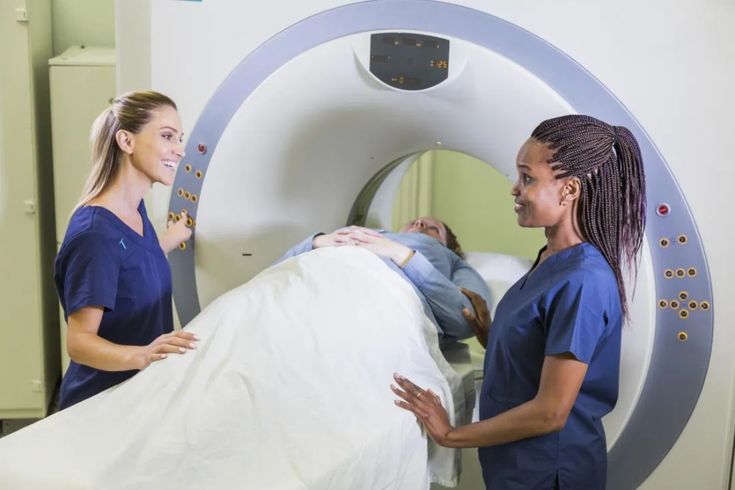
Patient being positioned for a chest CT scan by two healthcare staff
05

Interstitial Lung Diseases

These are conditions where the lung tissue becomes scarred or inflamed, making breathing difficult and often causing a dry cough. There are…

How I manage

These are conditions where the lung tissue becomes scarred or inflamed, making breathing difficult and often causing a dry cough. There are many types, and treatment depends on finding the exact cause.

How I use tests for precision medicine and personalised protocols

  • Spirometry (breathing test) shows how much your lung volume has shrunk and lets me track whether the disease is stable, improving, or worsening.
  • FOT (gentle breathing test) helps pick up early changes in lung stiffness in people who tire easily.
  • HRCT (high-resolution CT scan) takes very thin slices of the lungs to show the pattern of scarring in fine detail. It uses a small dose of radiation, so please tell me if there is any chance you are pregnant. The pattern often points to the exact type of lung disease, sometimes without the need for a biopsy, and guides whether you need medicines to slow scarring or to calm inflammation.

I also use blood tests and, when needed, a lung sample to reach a clear diagnosis. Treatment may include medicines that slow scarring or calm inflammation, along with oxygen support and rehabilitation, matched to your type of disease.

When to see me you have had a dry cough or breathlessness for more than 8 weeks, or if your chest X-ray or CT shows scarring.

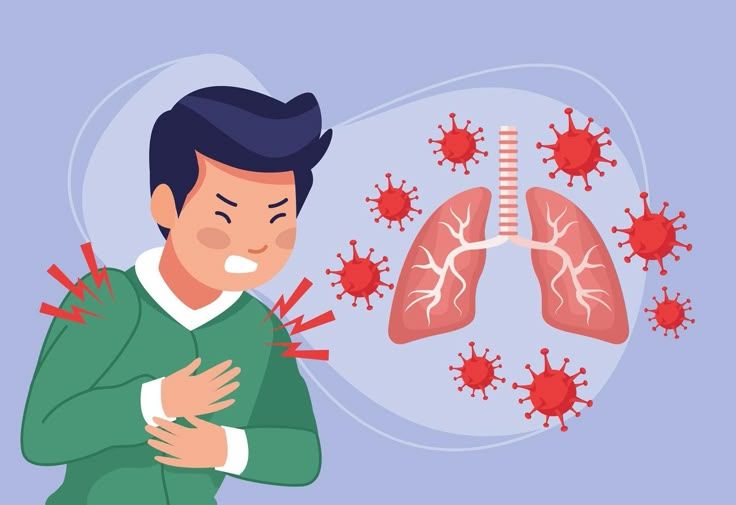
Illustration of a person with chest pain and infected lungs representing tuberculosis
06

Tuberculosis

TB is curable when diagnosed early and treated fully. It most often affects the lungs but can involve other parts of the body.

How I manage

TB is curable when diagnosed early and treated fully. It most often affects the lungs but can involve other parts of the body.

I focus on confirming the diagnosis, choosing the right medicines (including for drug-resistant TB), and supporting you through the full course, because stopping early is the biggest cause of relapse. I also guide families on protecting those around you.

When to see me you have a cough for more than 2 weeks, fever, night sweats, weight loss, or have been in close contact with someone with TB.

07

Lung Infections

Lung infections range from a simple chest infection to pneumonia, and some need more than a course of antibiotics. Infections that keep…

How I manage

Lung infections range from a simple chest infection to pneumonia, and some need more than a course of antibiotics. Infections that keep coming back, or are slow to clear, can be a sign of an underlying problem in the lungs.

When an infection does not clear, or the cause is unclear, I perform bronchoscopy and other interventions as needed. These collect samples from deep inside the lung to find the exact germ, and clear thick mucus or blockages, so that treatment is accurate rather than guesswork.

When to see me you have a chest infection that keeps coming back, a cough or fever that does not settle, or you cough up blood or foul-smelling phlegm.

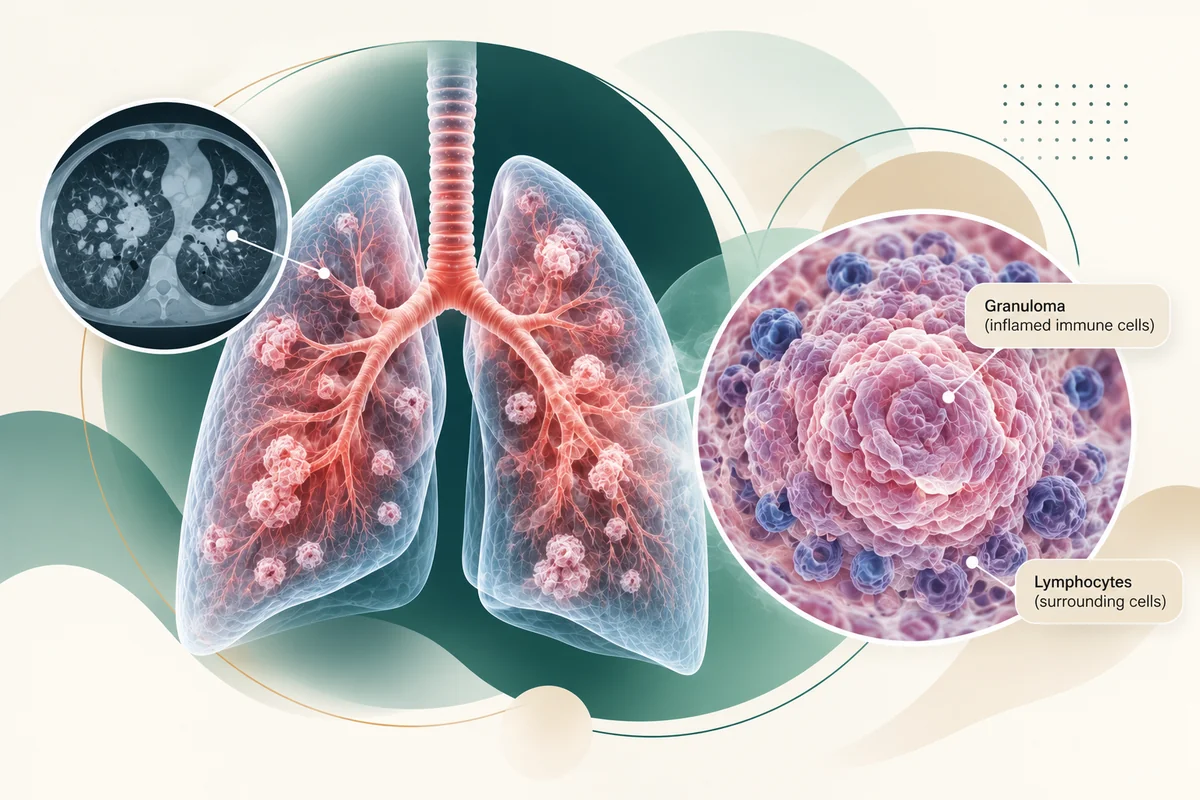
Illustration of lungs with sarcoidosis granulomas and inflammatory cells
08

Sarcoidosis

Sarcoidosis causes small clusters of inflammatory cells, mostly in the lungs and lymph nodes, though it can touch the eyes, skin, heart, and…

How I manage

Sarcoidosis causes small clusters of inflammatory cells, mostly in the lungs and lymph nodes, though it can touch the eyes, skin, heart, and other organs. It can look like TB, so a careful diagnosis matters.

How I use tests for precision medicine and personalised protocols

  • Spirometry measures how much the lungs are affected and tracks change over time, helping me decide who needs treatment and who needs only monitoring.
  • HRCT (high-resolution CT scan) shows changes in the lungs and chest glands in fine detail. It helps tell sarcoidosis apart from TB and other conditions, and shows how much of the lung is involved.

Many people need only monitoring, while others need treatment to protect their lungs and organs. I help with accurate diagnosis, including tissue sampling when needed, and long-term follow-up.

When to see me a scan shows enlarged chest glands, or if you have a lingering cough along with skin, eye, or joint problems.

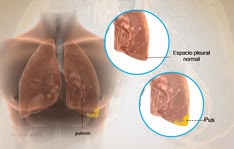
Diagram of the pleural space showing a normal pleura and pleural infection
09

Pleural Diseases

The pleura is the thin lining around the lungs. Problems here include fluid buildup, infection, air leaks (collapsed lung), and…

How I manage

The pleura is the thin lining around the lungs. Problems here include fluid buildup, infection, air leaks (collapsed lung), and cancer-related fluid. These often cause chest pain or breathlessness.

I use ultrasound to find the cause and drain fluid safely, and when the cause is unclear I offer thoracoscopy, where a small camera looks directly at the lung lining and takes samples, to reach a diagnosis and relieve symptoms.

When to see me you have breathlessness or chest pain with fluid around the lung, or a sudden collapsed lung.

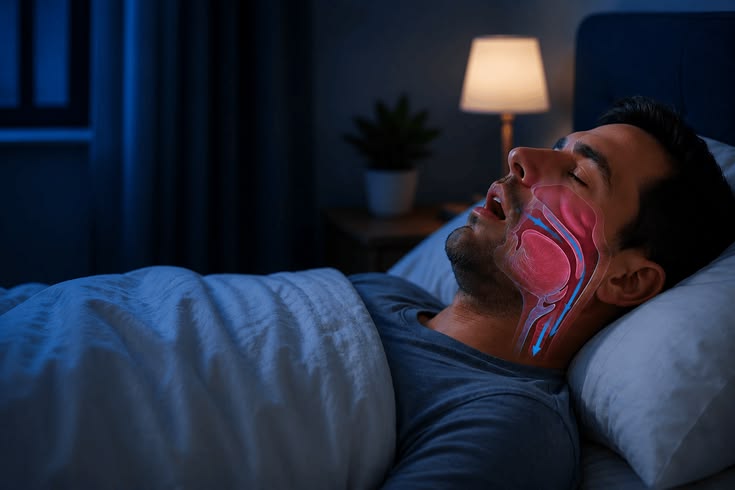
Man sleeping with an illustration of a narrowed airway in sleep apnea
10

Sleep Apnea

In sleep apnea, breathing repeatedly pauses during sleep. Signs include loud snoring, tiredness during the day, morning headaches, and poor…

How I manage

In sleep apnea, breathing repeatedly pauses during sleep. Signs include loud snoring, tiredness during the day, morning headaches, and poor concentration. Left untreated, it can strain the heart and raise blood pressure.

A home sleep test (Level 2 polysomnography) confirms the diagnosis without a night in hospital. You sleep in your own bed with small sensors that record your sleep stages, breathing, oxygen level, and heart rate, and I use the results to see how severe your apnea is and which treatment suits you. Treatment may include a bedtime breathing device (CPAP), weight and lifestyle changes, or other options suited to you.

When to see me you snore loudly, stop breathing in your sleep (as noticed by family), or feel very sleepy through the day.

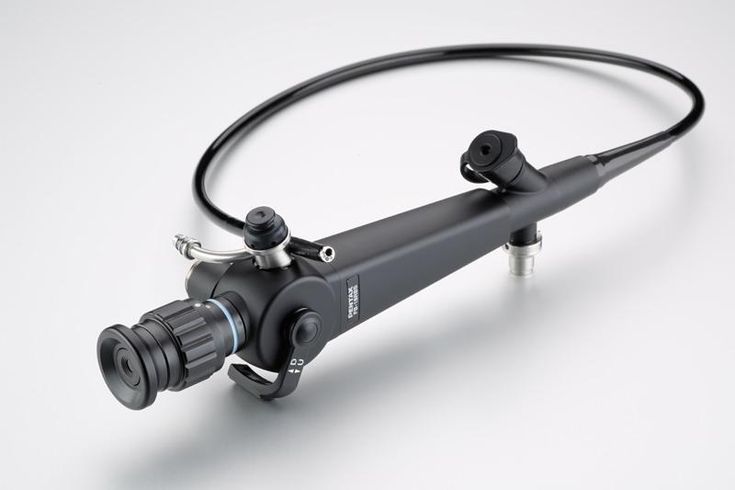
Flexible bronchoscope used to examine the airways
11

Advanced Bronchoscopy

Bronchoscopy uses a thin camera tube to look inside the airways. I perform advanced techniques that help diagnose and treat lung problems…

How I manage

Bronchoscopy uses a thin camera tube to look inside the airways. I perform advanced techniques that help diagnose and treat lung problems without major surgery.

  • EBUS: an ultrasound camera that samples lymph nodes in the chest, to diagnose cancer, TB, and sarcoidosis, and to stage lung cancer.
  • Radial EBUS: a tiny ultrasound probe that guides the camera to reach small spots deep in the lung.
  • Cryotherapy: freezing to remove tissue blocking the airway, or to take larger, better-quality biopsies.
  • Central tumor debulking: removing growths that block the main airways, to help you breathe easier quickly.
  • Rigid bronchoscopy: a firm, wider tube used under anaesthesia for difficult cases, including airway blockages and bleeding.

When to see me a scan shows a lung spot, enlarged chest glands, or an airway blockage that needs a sample or treatment.

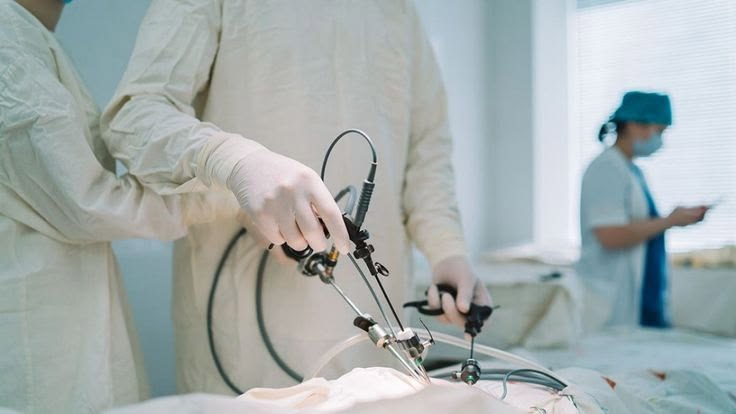
Clinician performing a thoracoscopic pleural procedure
12

Advanced Pleural Procedures

How I manage
  • Medical thoracoscopy: a small camera is passed through a tiny cut in the chest wall to see the lung lining, take biopsies, and drain fluid. It is often done under sedation.
  • Rigid thoracoscopy: a similar procedure using a firmer instrument, allowing larger biopsies and more treatment options.
  • Indwelling pleural catheter: a thin soft tube placed under the skin so fluid can be drained at home, avoiding repeated hospital visits. It is especially helpful for recurring fluid from cancer.

When to see me you have fluid around the lung with no clear cause, or fluid that keeps coming back after draining.

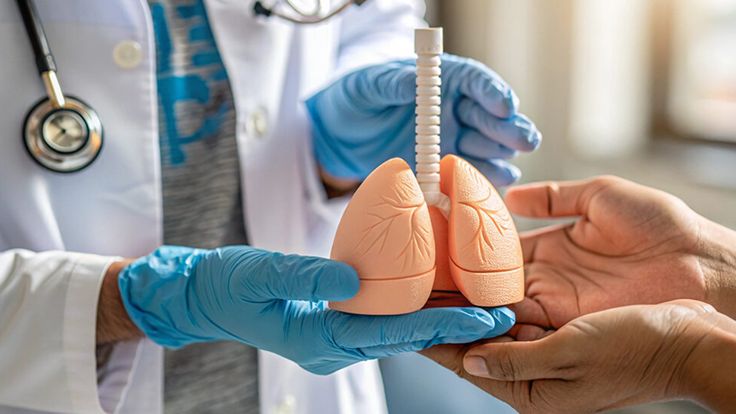
Doctor holding a model of lungs for a patient discussing lung transplant
13

Lung Transplant

For people with end-stage lung disease, a transplant can offer a new chance at life. Having completed a clinical fellowship in lung…

How I manage

For people with end-stage lung disease, a transplant can offer a new chance at life. Having completed a clinical fellowship in lung transplantation at the Medical University of Vienna, I help patients understand whether they are suitable, prepare them properly, and guide them through the waiting period and long-term care after surgery, including medicines to protect the new lungs.

When to see me your lung disease is advanced despite full treatment and you need oxygen or have frequent hospital stays.

14

Pulmonary Rehabilitation

Pulmonary rehabilitation is a structured programme that helps you breathe easier, move more, and feel stronger, whatever your lung condition.…

How I manage

Pulmonary rehabilitation is a structured programme that helps you breathe easier, move more, and feel stronger, whatever your lung condition. It is more than exercise: it combines supervised physical training, breathing techniques, advice on food and medicines, and emotional support.

How I use tests for precision medicine and personalised protocols

  • A simple walking test shows where you are starting from, so I can set the right level of exercise for you.
  • Repeat testing shows your progress, and I adjust your programme as you improve.

It helps people with COPD, scarring lung disease, and those recovering from TB or a serious chest infection, and it prepares people before and after lung surgery or transplant.

When to see me you get breathless doing everyday tasks, have lost strength after a lung illness or hospital stay, or are preparing for lung surgery or transplant.