Introduction
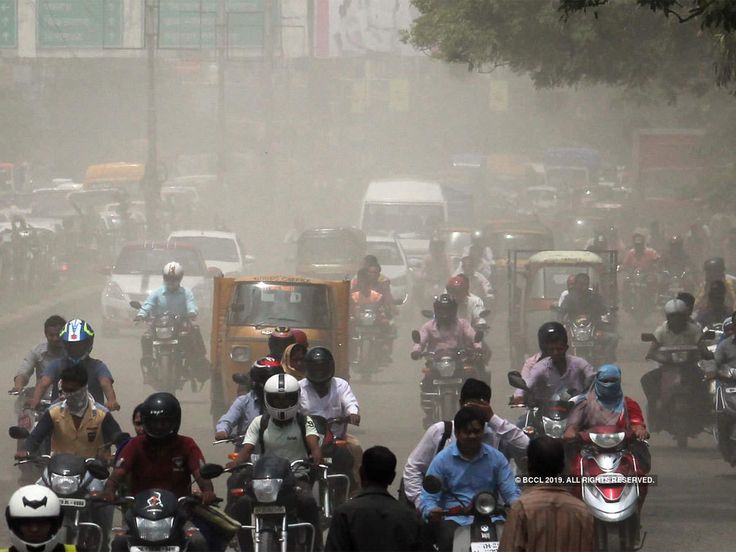
Many people believe Chennai's air is clean because we live by the sea and the breeze blows the smoke away. This was partly true in the past. But things are changing, and as a lung doctor, I see the effects every day.
In this blog, I will explain in simple words what air pollution does to your lungs, and what practical steps you can take to protect yourself and your family.
Is Chennai's Air Really Getting Worse?
Chennai is still cleaner than Delhi, but it is far from safe. A large study of more than 10,000 people found that the average yearly PM2.5 exposure in Chennai was about 40 µg/m³1. The World Health Organization's safe limit is just 5 µg/m³ per year2. That means the air we breathe on an average day is around eight times above the WHO guideline.
A 2026 analysis of government air quality data also found that Chennai's yearly PM2.5 levels rose in 2025, with the air becoming worse in winter months when winds are weak3. Bhogi in January and Deepavali fireworks add further sharp spikes.
The main sources in Chennai, according to an IIT-Madras source study reported by Down To Earth4, are road dust, vehicle smoke, construction and industry. Garbage burning is another major cause of pollution peaks.
What Is PM2.5 and Why Should You Care?
PM2.5 means tiny particles smaller than 2.5 micrometres, about 30 times thinner than a human hair. Because they are so small:
- Your nose and throat cannot filter them out.
- They travel deep into the air sacs of your lungs.
- Some even enter your bloodstream and reach your heart and brain.
How Air Pollution Harms Your Body
Short-term effects (hours to days):
- Cough, throat irritation, burning eyes
- Asthma attacks and wheezing
- Worsening of COPD
- More chest infections
Long-term effects (years):
- Reduced lung growth in children
- Development of COPD, even in non-smokers
- Higher risk of lung cancer
- Heart attacks and strokes
Pollution does not only harm the lungs. The same Chennai–Delhi study found that higher PM2.5 exposure was linked to higher "bad" cholesterol levels1, which is one reason pollution raises heart disease risk.
Who Is Most at Risk?
- Children (their lungs are still growing)
- Elderly people
- Pregnant women
- People with asthma, COPD, heart disease or diabetes
- Traffic police, auto and delivery drivers, street vendors, construction workers
8 Practical Ways to Protect Your Lungs
Check the AQI Daily
Use the CPCB "Sameer" app or any trusted air quality app. As a simple guide:
- • 0–100: Generally fine for most people
- • 101–200: Sensitive people should limit long outdoor activity
- • Above 200: Everyone should reduce outdoor exertion
Time Your Exercise Wisely
Avoid jogging next to busy roads during peak traffic hours. Parks, beaches with a sea breeze, or indoor exercise are better choices on bad air days.
Wear the Right Mask
Cloth and surgical masks do not block PM2.5 well. A well-fitting N95 or FFP2 mask is much better when you are in traffic or near construction.
Keep Indoor Air Clean
Indoor air can be as harmful as outdoor air. Avoid burning mosquito coils, too much incense, and never allow smoking inside the house. Use a kitchen chimney or exhaust fan while cooking.
Consider an Air Purifier
For patients with asthma or COPD, a HEPA air purifier in the bedroom can help, especially during winter and festival weeks.
Close Windows During Pollution Peaks
On Bhogi, Deepavali and high-AQI days, keep windows closed and open them later when the air clears.
Eat Well and Stay Active
A diet rich in fruits and vegetables and regular exercise help your body cope with daily stress from pollution.
Never Skip Your Lung Medicines
If you have asthma or COPD, pollution days are when your medicines matter most.
When Should You See a Lung Specialist?
- Cough lasting more than 3 weeks
- Breathlessness while climbing stairs that you did not have before
- Wheezing or chest tightness
- Frequent chest infections
A simple breathing test called spirometry can show how well your lungs are working. It takes about 15 minutes and is painless.
Frequently Asked Questions
Q1.Is Chennai's air safer than Delhi's?
Yes, on average Chennai's air is cleaner. But it is still well above the WHO safe level, so we should not be careless.
Q2.Do indoor plants clean the air?
Plants make a room pleasant, but they do not remove enough PM2.5 to protect your lungs. Do not depend on them alone.
Q3.Can lungs recover after pollution exposure?
Short-term irritation usually settles. Long-term damage may not fully reverse, which is why prevention, especially for children, is so important.
KEY TAKEAWAY
The Bottom Line
We cannot change the city's air alone, but we can reduce how much of it we breathe. Small daily choices, like checking the AQI, wearing an N95 mask in traffic, and keeping indoor air smoke-free, protect your lungs for years to come.
Sources & references
- Average yearly PM2.5 exposure in Chennai was about 40 µg/m3 pmc.ncbi.nlm.nih.gov/articles/PMC11008625/
- World Health Organization's safe limit is just 5 µg/m3 per year pmc.ncbi.nlm.nih.gov/articles/PMC8494774/
- Chennai's yearly PM2.5 levels rose in 2025, with the air becoming worse in winter months when winds are weak timesofindia.indiatimes.com/city/chennai/weather-alone-can-influence-a…
- IIT-Madras source study reported by Down To Earth downtoearth.org.in/air/how-india-moves-more-personal-vehicles-shortage…
ABOUT THE AUTHOR
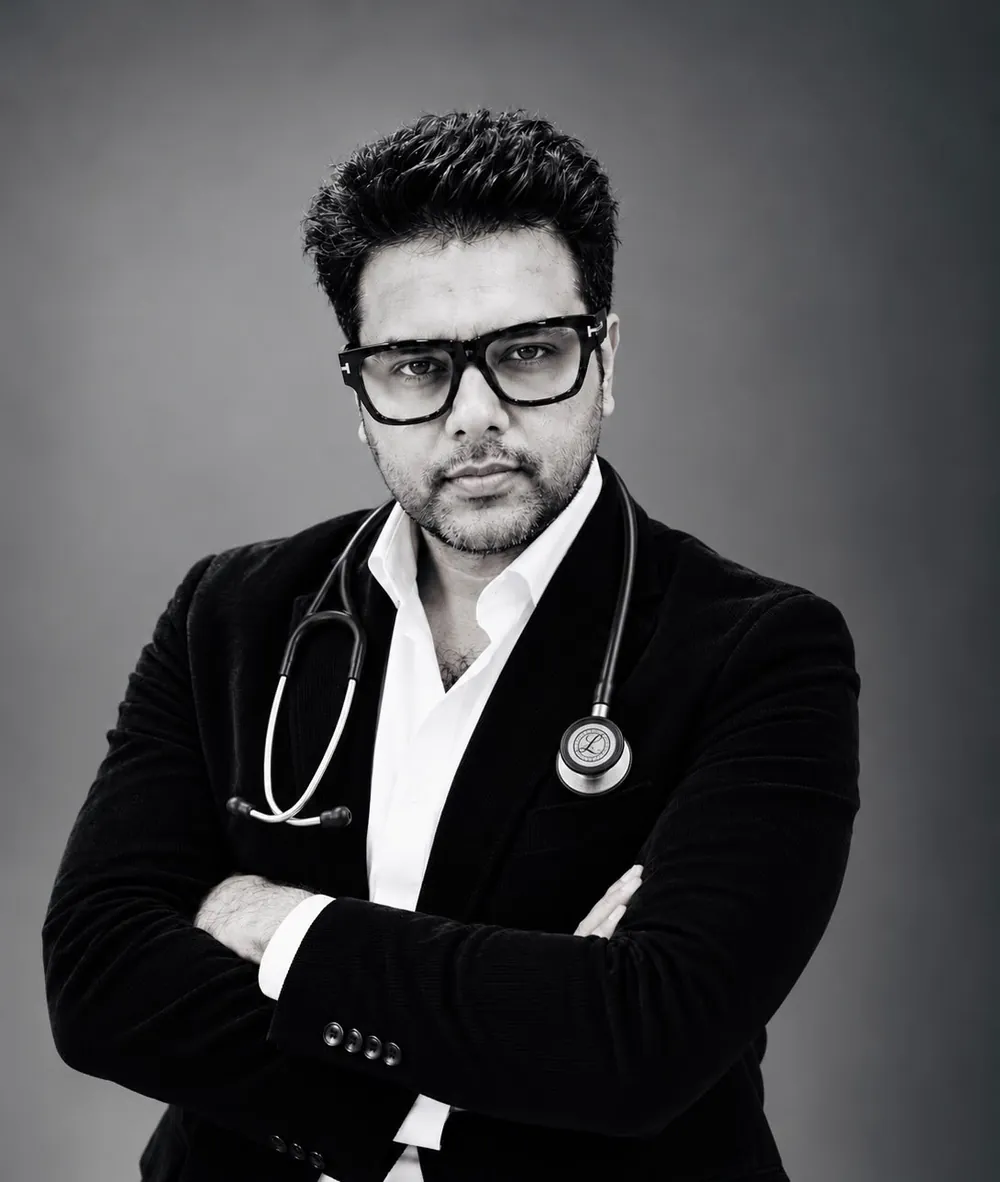
Dr. Koushik Muthu Raja Mathivanan, M.D.
Dr. Koushik Muthu Raja Mathivanan is a Consultant Pulmonologist in Chennai.
This article is for general awareness and does not replace a consultation with your doctor.
Have a concern about your breathing?
Online articles can support awareness, but they cannot replace an individual medical assessment.